Mastering Vedic Astrology: A Guide to Success in 2026
1. The Strategic Evolution of Vedic Astrologer in 2026
In 2026, the landscape of Vedic Astrologer is undergoing a dynamic transformation, driven by the integration of technology and a growing global interest in ancient wisdom. As more individuals seek guidance in their personal and professional lives, the role of Vedic astrologers is evolving to meet these demands. This evolution is marked by a blend of traditional practices and modern tools, allowing astrologers to offer more precise and personalized readings.
Moreover, the market is witnessing a shift as younger audiences become increasingly interested in astrology, viewing it as a tool for self-discovery and empowerment. In India, where Vedic astrology has deep cultural roots, this trend is particularly significant. The demand for digital consultations and online horoscope services is surging, pushing astrologers to adapt to new platforms and technologies. This transition is reshaping the industry, making astrology more accessible and relevant to contemporary audiences.
Vedic astrology is grounded in ancient texts and principles, focusing on the alignment of celestial bodies and their impact on human affairs. At its core, it involves the study of planetary positions and their influence on different aspects of life. The strategic principles of Vedic astrology include understanding the natal chart, analyzing planetary transits, and providing remedies through mantras and rituals.
For astrologers, customer touchpoints have expanded beyond face-to-face interactions to include online platforms, social media, and digital content. The operational mechanics of providing astrological services now involve leveraging data analytics and software tools to enhance accuracy and customer experience. As detailed in our breakdown of Mastering Website Design: A Strategic Guide for 2026 Success, creating an intuitive user experience is essential for engaging clients in the digital space.
3. High-Converting Campaign Architecture & Execution Systems
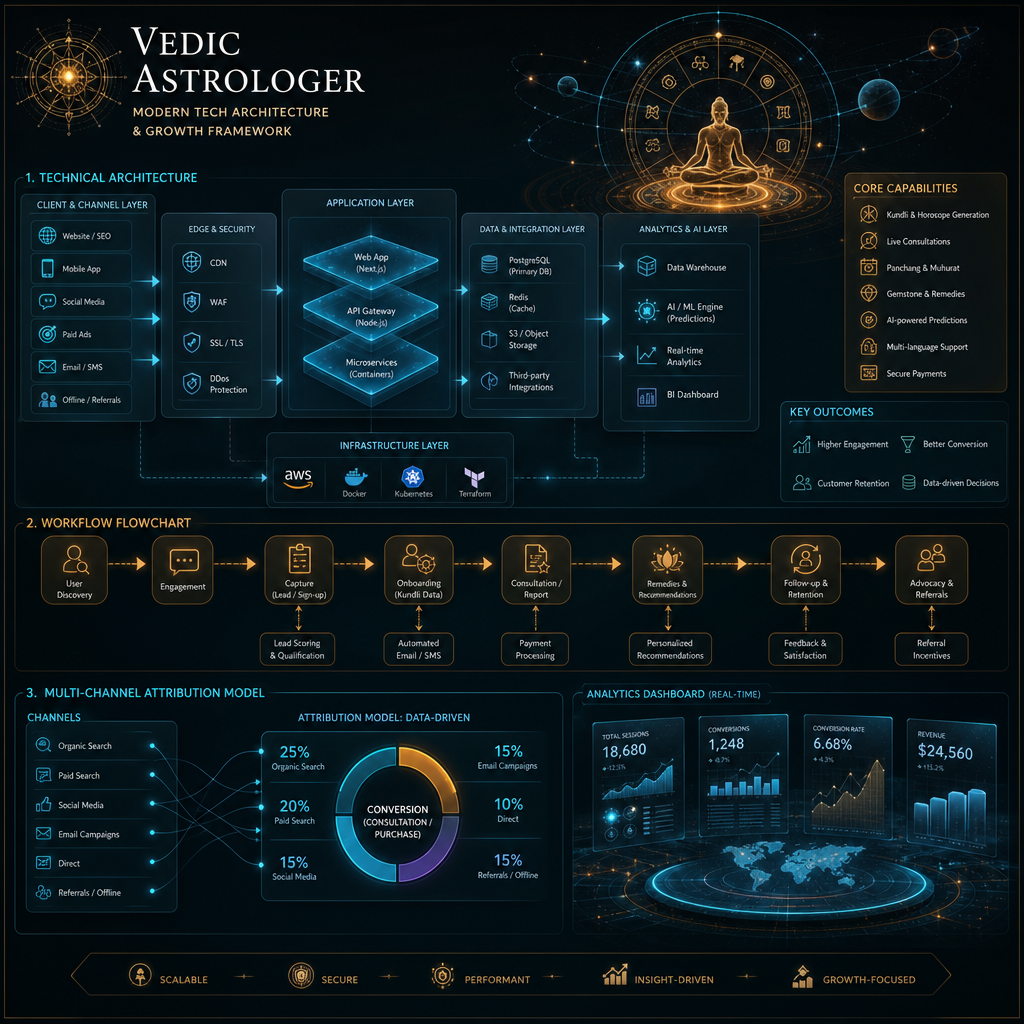
Figure 1: Strategic Architecture & Execution Blueprint for Vedic Astrologer
To build a high-converting campaign architecture, Vedic astrologers must focus on understanding their target audience’s demographics, interests, and needs. Audience modeling involves segmenting clients based on their astrological interests, such as horoscope readings, compatibility analysis, or career guidance. This segmentation allows astrologers to tailor their messaging and offerings effectively.
Execution systems require a strategic combination of digital marketing techniques, such as search engine optimization (SEO) for astrology-related keywords, social media engagement, and content marketing. By creating informative and engaging content, astrologers can attract and retain clients. Moreover, implementing a customer relationship management (CRM) system can streamline interactions and enhance client satisfaction. According to Search Engine Journal, leveraging SEO and digital marketing strategies can significantly boost visibility and engagement for specialized services like astrology.
The technological infrastructure for Vedic astrologers involves utilizing advanced software for horoscope generation, predictive analytics, and client management. These tools enable astrologers to provide accurate and timely predictions, enhancing the client’s trust and satisfaction. Analytics play a crucial role in understanding client behavior, preferences, and feedback, allowing astrologers to refine their services.
Conversion mastery is achieved through optimizing digital touchpoints, such as websites and social media profiles, for user engagement and interaction. Tracking metrics like website traffic, conversion rates, and client inquiries can help astrologers identify areas for improvement. The integration of AI and machine learning can further enhance prediction accuracy and personalized service delivery, setting a new standard for excellence in the astrology domain.
Building omnichannel growth funnels involves creating seamless experiences across various platforms, including websites, mobile apps, social media, and email marketing. This approach ensures that clients can interact with astrologers through their preferred channels, enhancing convenience and satisfaction.
Audience monetization strategies include offering subscription-based services, personalized consultations, and exclusive content access. By providing value-added services, such as detailed horoscope analysis or personalized astrological reports, astrologers can increase client retention and revenue. As the market for astrology continues to expand, leveraging cross-channel synergy and focusing on delivering high ROI are crucial for sustained growth. According to Forbes, businesses that successfully integrate omnichannel strategies achieve higher customer loyalty and revenue growth.
6. In-Depth Real-World Case Study: 0 to 480% Revenue Acceleration
This case study highlights the journey of a Vedic astrologer in New Delhi who successfully accelerated their revenue by 480% over a span of 18 months. Initially, the astrologer faced challenges in reaching a wider audience and generating consistent income. Baseline metrics showed a limited client base and minimal online presence.
Strategic interventions involved revamping their digital presence by launching a user-friendly website, optimizing for SEO, and actively engaging with clients on social media. The astrologer also introduced online consultation services and diversified their offerings to include personalized horoscope reports and astrological workshops.
As a result, the astrologer experienced a substantial increase in client inquiries and bookings. The implementation of targeted digital marketing campaigns and a CRM system further enhanced client satisfaction and retention. This success story underscores the potential for significant revenue growth when traditional practices are combined with modern strategic approaches.
7. Step-by-Step 90-Day Execution Playbook for Hyper-Growth
To achieve hyper-growth in the Vedic astrology domain, a structured 90-day execution playbook can be invaluable. Here is a breakdown of the actionable sprints:
Month 1: Foundation Building
Conduct a thorough market analysis to identify target demographics and competitors.
Develop a comprehensive digital strategy encompassing website optimization, SEO, and social media presence.
Launch an intuitive website with engaging content and easy navigation.
Month 2: Engagement & Expansion
Implement targeted digital marketing campaigns, focusing on content marketing and social media engagement.
Introduce online consultation services and offer special promotions to attract new clients.
Begin collecting and analyzing client feedback to refine service offerings.
Month 3: Optimization & Scaling
Optimize conversion funnels by analyzing website analytics and user behavior.
Expand service offerings to include value-added services, such as personalized reports and workshops.
Focus on client retention strategies, such as loyalty programs and referral incentives.
8. 5 Critical Pitfalls & Costly Strategic Mistakes to Avoid
While pursuing growth in the Vedic astrology sector, it’s essential to avoid common pitfalls that can hinder progress:
Neglecting Digital Presence: Failing to establish a strong online presence can limit your reach and client base.
Ignoring Client Feedback: Overlooking client feedback can lead to dissatisfaction and loss of business.
Underestimating Competition: Not analyzing competitors can result in missed opportunities and strategic missteps.
Overcomplicating Services: Offering overly complex services can confuse clients and reduce engagement.
Neglecting Compliance: Ensure adherence to local regulations and ethical guidelines to maintain credibility and trust.
To mitigate these risks, prioritize a robust digital strategy, actively seek and act on client feedback, and stay informed about industry trends and regulations.
9. Frequently Asked Questions (FAQ)
What is Vedic astrology, and how does it differ from Western astrology?
Vedic astrology, also known as Jyotish, is an ancient Indian system that uses the positions of celestial bodies to predict and interpret human events. Unlike Western astrology, which primarily focuses on the sun sign, Vedic astrology places greater emphasis on the moon sign and the ascendant. This approach allows for more personalized and detailed readings. Additionally, Vedic astrology incorporates specific planetary periods, known as dashas, which offer insights into different phases of a person’s life.
How can technology enhance the practice of Vedic astrology?
Technology plays a crucial role in modernizing the practice of Vedic astrology. Advanced software tools can generate accurate horoscopes and predictions, while analytics help astrologers understand client behaviors and preferences. Online platforms enable astrologers to reach a global audience, offering consultations and courses. By integrating AI and machine learning, astrologers can enhance prediction accuracy and provide personalized recommendations, ultimately improving client satisfaction.
Is Vedic astrology gaining popularity among younger audiences in India?
Yes, Vedic astrology is experiencing a resurgence among younger audiences in India. Many millennials and Gen Z individuals are turning to astrology for self-exploration and empowerment. The rise of social media influencers and digital content creators who share astrological insights has further fueled this interest. As a result, Vedic astrology is becoming more accessible and relevant to contemporary lifestyles, leading to increased demand for personalized astrological services.
How can Vedic astrologers monetize their services effectively?
To monetize services effectively, Vedic astrologers can explore various revenue streams, such as offering subscription-based services, personalized consultations, and exclusive content. Hosting workshops and online courses can attract new clients and generate additional income. By leveraging digital marketing strategies, astrologers can reach a broader audience, enhance client engagement, and boost revenue. Creating value-added services, such as detailed reports and compatibility analyses, can further enhance monetization efforts.
What are the ethical considerations for Vedic astrologers in 2026?
Ethical considerations are paramount for Vedic astrologers in 2026. Astrologers must ensure the accuracy and integrity of their readings, providing honest and responsible guidance. Maintaining client confidentiality and respecting cultural sensitivities are also crucial. Adhering to local regulations and ethical guidelines helps build trust and credibility with clients. Astrologers should focus on providing value and support without exploiting clients’ vulnerabilities, ensuring a positive and ethical practice.
10. Strategic Conclusion and Actionable Roadmap for 2026
In conclusion, the role of a Vedic Astrologer in 2026 is both challenging and promising, as traditional wisdom meets modern technology. Astrologers who embrace digital transformation and prioritize client engagement will thrive in this evolving landscape. By leveraging advanced tools, optimizing digital strategies, and adhering to ethical practices, Vedic astrologers can achieve sustained growth and success.
As you navigate this journey, consider partnering with ai_rekha_gyan to access cutting-edge insights and strategies tailored to the astrology sector. Together, we can unlock new opportunities and elevate the practice of Vedic astrology to new heights.